


Circuit breakers are essential safety devices designed to protect your wiring, appliances, and family from electrical hazards. When a breaker trips, it’s doing its job by shutting off power to prevent potential fires or electrical damage. Understanding why a breaker trips helps you determine whether you’re dealing with a minor inconvenience or a serious electrical issue that requires the attention of an electrician.
Overloaded Breakers Causing the Breaker to Trip
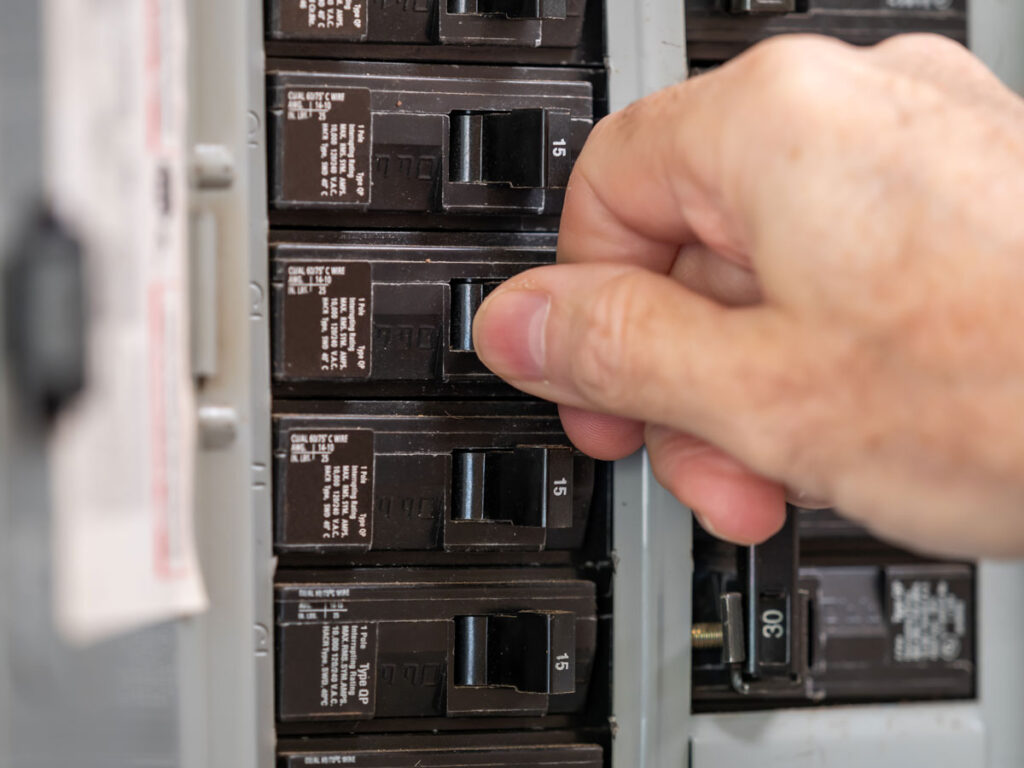
An overloaded circuit occurs when the electrical demand on a single circuit exceeds its rated capacity. Every circuit breaker is built to handle a specific amperage, most commonly 15 or 20 amps in residential settings. When the current flowing through the circuit exceeds this threshold, the breaker’s internal mechanism heats up, triggering the switch to the “off” position and cutting power to that circuit.
A 15-amp breaker can safely deliver approximately 1,800 watts of power (amps × volts = watts, so 15A × 120V = 1,800W). When you exceed this limit, the breaker trips to prevent the wiring from overheating.
Why Breaker Overloads Happen
Circuit overloads typically happen when too many appliances or devices operate simultaneously on the same circuit. This is particularly common in older homes where electrical systems weren’t designed for modern power consumption. Common electrical overload scenarios include:
- Running multiple high-wattage appliances in the kitchen simultaneously (microwave, toaster oven, coffee maker, and electric kettle)
- Plugging space heaters into circuits already serving other devices
- Using power strips to connect numerous devices to a single outlet
- Operating power tools or shop equipment on circuits shared with lighting and outlets
Certain appliances are notorious power hogs: hair dryers (1,500 watts), window air conditioners (1,000-1,500 watts), space heaters (1,500 watts), and vacuum cleaners (1,000-1,400 watts). When these devices run on circuits already serving other equipment, overloads become inevitable.
What You Can Do About Overloaded Breakers
Identify which circuit has tripped by checking your electrical panel. Reset the breaker by switching it fully to the “off” position, then back to “on.” Before restoring power, unplug some devices from that circuit to reduce the electrical load.
Redistribute your electrical usage by plugging high-wattage appliances into outlets on different circuits. You can identify which outlets share a circuit by turning off one breaker at a time and testing which outlets lose power.
For persistent overload issues, consider these solutions:
- Limit simultaneous use of high-wattage appliances.
- Replace older power strips with modern surge protectors that have built-in overload protection.
- Upgrade to energy-efficient appliances that consume less power.
- Have an electrician install dedicated circuits for major appliances.
If you consistently trip breakers despite load management efforts, your home may need additional circuits or a panel upgrade to meet modern electrical demands.
A Short Circuit is Cutting Off Power
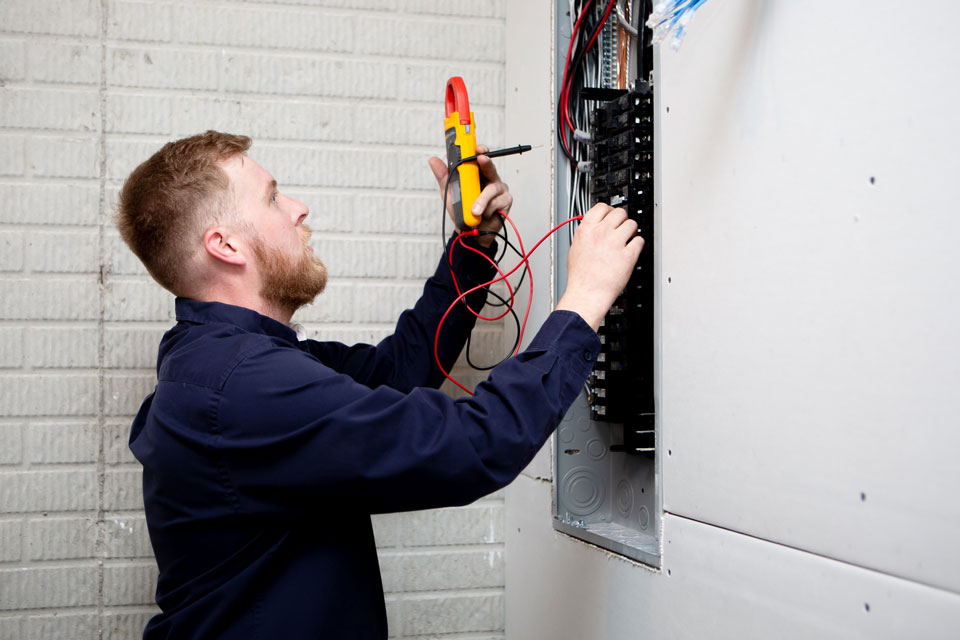
A short circuit is a serious electrical fault that occurs when electricity takes an unintended path of least resistance. In a properly functioning circuit, electrical current flows from the hot wire through your devices and returns via the neutral wire. A short circuit happens when the hot wire directly contacts the neutral wire or another hot wire, bypassing the normal electrical load.
This direct connection creates an extremely low-resistance path, causing a massive surge of current, potentially hundreds of amps, to flow instantaneously. The breaker detects this dangerous spike and trips immediately, usually within milliseconds.
Short circuits are far more serious than overloads because they can generate intense heat and sparks, creating fire hazards.
Why Short Circuits Happen
Short circuits typically result from damaged electrical components or faulty wiring. Common culprits include:
- Damaged appliance cords where internal wires have broken or frayed, allowing hot and neutral wires to touch
- Deteriorating wire insulation due to age, rodent damage, or nail/screw penetration during home improvements
- Faulty outlets or switches with loose wire connections
- Water infiltration into electrical boxes or fixtures creates a conductive path between wires.
- Incorrectly installed wiring during DIY projects or poor-quality professional work.
- Defective appliances with internal wiring faults
Short circuits often produce warning signs before the breaker trips: burning smells, discoloration around outlets, sparking, or buzzing sounds. A breaker that trips immediately upon resetting, without any load, indicates a short circuit rather than an overload.
Steps to Take After a Short Circuit
If you suspect a short circuit, do not repeatedly reset the breaker. Instead, investigate safely:
Unplug all devices from the affected circuit before attempting to reset the breaker. If the breaker holds without any connected load, the problem likely resides in one of your appliances or their cords. Plug devices back in one at a time, testing the circuit between each connection to identify the faulty item.
Inspect all cords for visible damage—look for fraying, exposed wires, burn marks, or crushed sections. Examine outlets and switches on the circuit for discoloration, burning odors, or signs of heat damage. Never use outlets that feel warm, show scorch marks, or have loose-fitting plugs.
If the breaker trips immediately, even with nothing plugged in, the short circuit exists within your home’s wiring system itself. This situation requires immediate professional attention—do not attempt DIY repairs. Label the tripped breaker clearly and avoid using that circuit until an electrician resolves the issue.
Replace any damaged cords or faulty appliances immediately. For outlets showing any signs of problems, stop using them and contact an electrician for replacement.
You have a Ground Fault
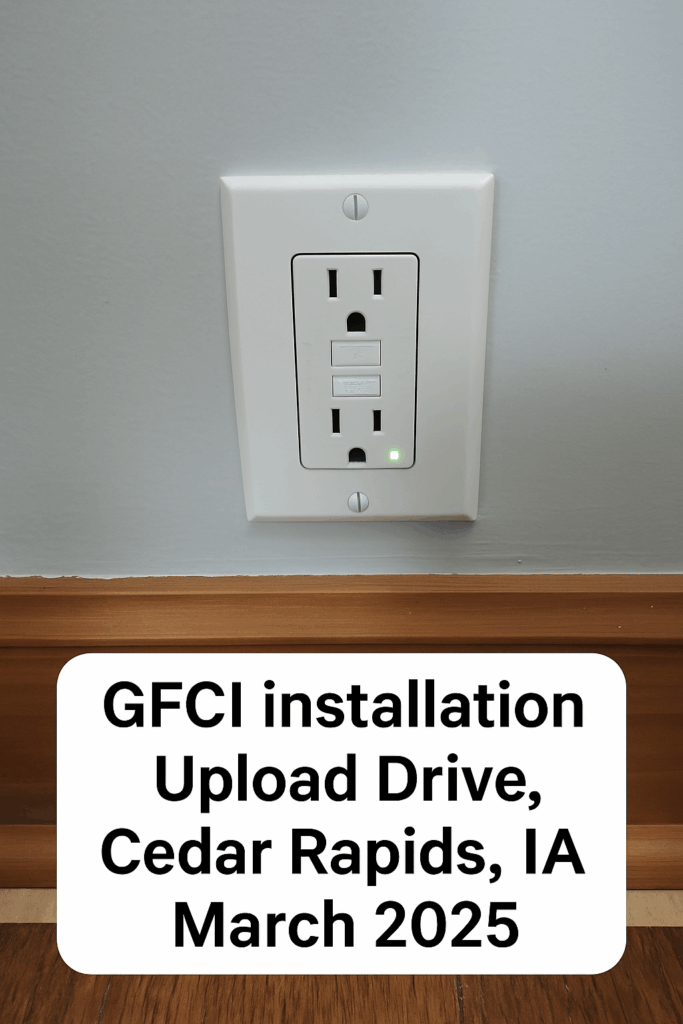
A ground fault occurs when electrical current escapes its intended circuit path and flows to ground through an unintended route, often through a person, water, or a grounded metal object. Unlike short circuits, where current flows between circuit wires, ground faults involve current leaking outside the circuit entirely.
Ground Fault Circuit Interrupter (GFCI) breakers and outlets are specifically designed to detect these faults. They continuously monitor the current flowing through the hot and neutral wires. In a balanced circuit, these currents should be equal. If the GFCI detects even a tiny imbalance (as small as 4-6 milliamps), indicating current is leaking to ground, it trips in a fraction of a second to prevent potentially fatal electric shock.
Why Ground Faults Happen
Ground faults most commonly occur in wet or damp locations where water creates a conductive path for electricity. Prime locations include:
- Bathrooms, kitchens, laundry rooms, and other areas near water sources
- Outdoor outlets, especially those exposed to rain or lawn sprinkler overspray
- Unfinished basements with moisture issues
- Garages where condensation or water entry occurs
Specific causes include:
- Appliances with damaged insulation allowing current to reach the metal housings
- Worn or cracked insulation on circuit wiring, especially in damp locations
- Water infiltration into electrical boxes, outlets, or light fixtures
- Defective power tools with compromised grounding systems
- Aging appliances with deteriorating internal components
Steps to Take if You Have a Ground Fault
GFCI protection is required by the electrical code in wet locations, and understanding how to work with these devices is essential for safety.
If a GFCI trips, first unplug all devices from that circuit. GFCI outlets have “Test” and “Reset” buttons. Press “Reset” to restore power. If it trips immediately without any connected devices, moisture in the outlet itself may be causing the fault. Allow the outlet to dry thoroughly, or have an electrician install a weather-resistant cover if it’s outdoors.
When a GFCI won’t reset or repeatedly trips, investigate connected appliances. Hair dryers, power tools, and outdoor equipment frequently develop ground faults. Test devices one at a time on the GFCI to identify problematic items.
Warning: Never continue using an appliance that trips a GFCI. It poses a serious shock hazard.
For outdoor circuits, check that outlet covers are properly sealed and waterproof. In-use covers that protect plugs from weather while devices are connected are essential for outdoor applications.
Test all GFCI devices monthly by pressing the “Test” button. Power should be cut off immediately. Then press “Reset” to restore power. If a GFCI fails this test, replace it immediately. GFCI devices have a limited lifespan (typically 10-15 years) and should be replaced when they fail testing or show signs of age.
When to Call an Electrician

While some tripped breaker situations are manageable for homeowners, certain circumstances require professional expertise:
- Breakers that trip repeatedly despite load reduction
- Burning smells, smoke, or visible damage at the electrical panel
- Breakers that feel hot to the touch or show discoloration
- Sparking from outlets, switches, or the electrical panel
- Breakers that won’t stay reset regardless of what you unplug
- Multiple breakers tripping simultaneously
- Signs of water intrusion in the electrical panel
- Buzzing, crackling, or humming sounds from electrical components
- Older homes with circuit breakers over 25 years old
- Insufficient circuits for modern appliance loads, requiring the use of extension cords or power strips
- Flickering lights throughout the house when large appliances start
- Home additions or renovations requiring new circuits
- Outdated electrical panels (fuse boxes, Federal Pacific, Zinsco brands)
Licensed electricians possess the tools, training, and expertise to safely diagnose all electrical issues.
They can use thermal imaging to detect hot spots, perform load calculations to determine if your panel is adequate, and ensure all work meets current electrical codes. Electrical work can be dangerous and potentially fatal. When in doubt, always consult a professional.
Custom Electrical’s licensed electricians have decades of experience in identifying and resolving breaker problems. Our team offers 24/7 electrical services throughout Des Moines and Central Iowa, and services homeowners across Eastern Iowa, including Cedar Rapids and Iowa City.
Call our team now at (515) 669-3418 to schedule a breaker service with an electrician.
Frequently Asked Questions About Breaker Trips
Is it safe to reset a tripped breaker?
Yes, resetting a breaker once is generally safe. However, if the breaker trips again immediately or repeatedly, do not continue resetting it. A repeatedly tripping breaker is a persistent problem for which you’ll need an electrician’s help.
How many times can a breaker trip before it needs replacement?
Circuit breakers are designed to trip many thousands of times throughout their lifespan. However, breakers should be replaced every 25-30 years, after any major electrical event (such as a lightning strike), or if they fail to trip during testing, feel loose, or are physically damaged.
Why does my breaker trip when it rains?
A: Water infiltration into outdoor outlets, light fixtures, or even the electrical panel can cause ground faults and short circuits. Outdoor electrical components require weather-resistant covers and proper sealing to prevent moisture intrusion.
Can a bad breaker cause tripping?
Yes. Breakers can fail due to age, manufacturing defects, or damage. If a breaker trips with minimal load or feels loose in the panel, you may need to replace it.
Should I upgrade to a larger breaker if mine keeps tripping?
Never upgrade a breaker without a professional evaluation. Breaker ratings must match the connected wire gauge. Installing a larger breaker on undersized wire creates a serious fire hazard by allowing wires to overheat without tripping the breaker.
What’s the difference between a tripped breaker and one that’s switched off?
A tripped breaker’s handle moves to a middle position between “on” and “off,” sometimes showing a red indicator. A manually switched-off breaker sits firmly in the “off” position. Always move a tripped breaker fully to “off” before resetting to “on.”
Can I use a breaker from one panel in another?
No. Breakers are manufacturer-specific and must match the electrical panel brand and specifications. Using incompatible breakers violates electrical codes and creates serious safety hazards.