

Electrical safety is a critical aspect of home maintenance that often goes overlooked until a serious problem occurs. Proactive electrical safety checks during a comprehensive electrical inspection can catch problems such as faulty wiring, damaged electrical panels, and missing connectors and reduce the potential risks of electrical shocks, fires, burns, and damaged equipment.
In this detailed homeowner’s guide, we’ll explore everything you need to know about home electrical inspections, from what they entail to why they’re crucial for homeowners.
The Crucial Role of the Electrical Inspection
Electrical wiring is the hidden lifeline powering modern homes. Without clear insight into your electrical system’s daily performance, you’re left in the dark about home safety. ESFI (Electrical Safety Foundation) data shows electrical failures account for an estimated 51,000 home fires annually across the country. Proactively analyzing your home electrical system, reviewing its performance, and checking for safety failures can help protect your home and loved ones.
A professional electrical safety inspection serves multiple critical purposes:
Identifying Potential Hazards
Trained electricians can detect subtle signs of wear, damage, or improper installation that might not be apparent to the untrained eye.
Preventing Electrical Fires
Many electrical fires start due to outdated wiring, overloaded circuits, or damaged electrical components that can be identified and addressed during an inspection.
Ensuring Code Compliance
Building codes evolve, and an inspection helps ensure your home’s electrical system meets current safety standards.
Protecting Your Investment
Proactive maintenance can prevent costly repairs and potential property damage in the long run.
Who Should Get an Electrical Safety Inspection?
While all homeowners can benefit from regular electrical inspections, some situations particularly call for a professional assessment:
- Your home is over 25 years old.
- You’ve just moved into the property.
- You’ve undertaken or are about to undertake home renovations.
- You’re experiencing persistent electrical issues.
- The property is in a location like Iowa, where we experience tornados, flash floods, and storms throughout the year.
- You’re about to sell or purchase the home.
What Happens During an Electrical Safety Inspection?
A typical electrical safety inspection is a comprehensive professional process involving the following key steps:
Visual Inspection
The electrician will conduct a thorough visual assessment of your electrical system, including connected equipment, wiring, and panels, looking for:
- Signs of wear and tear on electrical panels
- Frayed or damaged wiring
- Improper or outdated electrical installations
- Evidence of previous makeshift repairs
- Potential fire hazards around electrical components
Electrical Panel Evaluation
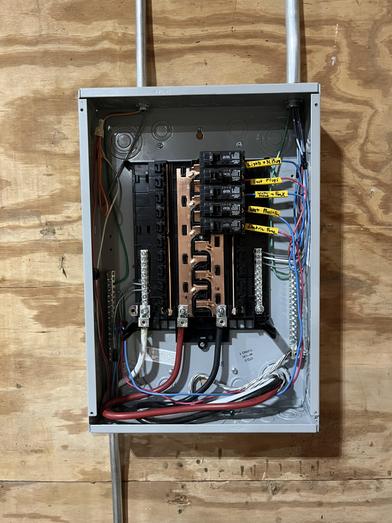
The electrical panel (or breaker box) is the heart pumping power to your home’s electrical system. During a comprehensive electrical panel evaluation, licensed plumbers will:
- Check for proper labeling of circuits.
- Verify amperage ratings for safety (for example, are outlets wired for 120v at 150 amps?)
- Inspect for signs of corrosion or damage, such as rust around connection points.
- Ensure the panel can handle your current and projected electrical load after projects such as EV charging station installation.
- Look for any outdated or potentially dangerous components like old fuse boxes and knob and tube wiring.
Outlet and Switch Inspection
Outlets and switches are critical control mechanisms for managing the flow of electricity in the home. Electricians will systematically examine all electrical outlets and switches for:
- Proper grounding so that electricity has a safe route away from the circuit.
- Signs of wear or damage, such as burn marks on outlets.
- Loose connections that cause electricity to escape the circuit.
- Functionality of GFCI (Ground Fault Circuit Interrupter) outlets in wet areas to ensure electricity shuts off in the event of a fault.
- Compliance with current safety codes to meet homeowner insurance obligations and match modern safety standards.
Wiring Assessment
Wiring analysis is critical to ensuring the safety and performance of all equipment. Relatively minor wiring issues not only limit electrical efficiency but can lead to electrical shocks and potential fire risks. A comprehensive examination of your home’s wiring involves:
- Checking for damaged or exposed wires where there’s damage to insulation.
- Verifying the type and condition of wiring materials and checking for aluminum wiring/
- Identifying potential fire risks such as frayed wiring and use of the wrong wiring for high power demand applications.
- Ensuring proper insulation with moisture resistance, dielectric properties, and flexibility.
- Looking for signs of rodent damage or environmental wear such as chewed wiring.
Electrical Load Calculation
Load calculations are critical, particularly for electrical inspections as a precursor to new equipment installation. Inspectors will determine whether your current electrical system can safely support your home’s power requirements. Their load calculations will include:
- Calculating the total electrical load, including new potential equipment.
- Identifying potential overload risks, including too many devices installed on one circuit.
- Assessing the capacity of individual circuits for safe and efficient performance.
- Recommending the potential for upgrades, such as upgrading a 100-amp panel to a 200-amp panel.
Grounding and Bonding Verification
According to 250.20(B) of the 2020 NEC, alternating-current (AC) systems of 50 volts to 1000 volts must be grounded Your electrician will check the safety of your home electrical grounding and bonding, ensuring the system safely directs energy towards the earth. Electrical inspectors will:
- Test the effectiveness of grounding systems, including measuring electrical resistance.
- Check for proper bonding of electrical components, including all metal parts and enclosures.
- Verify protection against electrical surges by analyzing home surge protectors.
Smoke and Carbon Monoxide Detector Check
In addition to checking your electrical equipment, electricians can use their knowledge of home fire and electrical safety to check your alarm systems. Their alarm checks will include
- Testing existing smoke detectors for responsiveness
- Verifying proper placement on every level of the home and near sleeping areas.
- Checking the battery’s functionality for optimal power levels.
- Advising on detector upgrades if current devices are outdated or ineffective.
What Are the Common Issues Electricians Find During Electrical Inspections?
Experienced electricians will encounter similar issues during home inspections, with most properties having similar points of electrical failure and popular equipment causing consistent issues from one property to the next. Electricians frequently uncover several recurring problems during safety inspections:
- Outdated knob-and-tube or aluminum wiring
- Improperly sized circuit breakers
- Overloaded electrical circuits
- Lack of GFCI protection in wet areas
- DIY electrical work that doesn’t meet national and local electrical codes
- Damaged or deteriorating electrical components
- Insufficient electrical capacity for modern appliances
What Happens After the Electrical Inspection?
Once the electrical safety inspection is complete, you’ll receive a detailed report with diagrams and equipment details, which include the following:
- Identified issues and potential risks
- Recommended repairs or upgrades based on safety assessments
- Estimated costs for the recommended repairs and upgrades
- Electrical recommendations in order of priority – from the most dangerous to the home to the more minor concerns.
Which Factors Impact the Price of Electrical Inspections?
When booking an electrical inspection, your electrician can provide a detailed quote for the work. This quote incorporates the home size, the property’s age, the complexity of your electrical set-up, and the local hourly labor rate.
On average, homeowners can expect to pay between $100 and $500 for a comprehensive inspection.
What is the Industry-Recommended Frequency of Electrical Inspections
The recommended frequency of electrical inspection depends generally on the home’s age and the current condition of your electrical equipment. The following is the industry standard for inspection frequency based on home age:
- Newer homes (under 10 years): Every 5-10 years
- Homes 10-25 years old: Every 3-5 years
- Homes over 25 years: Every 1-3 years
- Homes with known electrical issues: Annually
Call Custom Electrical for Pinpoint Home Inspections in Central and Eastern Iowa

A home electrical safety inspection is more than just a procedural checkup—it’s an investment in your family’s safety and property’s longevity. By understanding the process and staying proactive, you can prevent potential disasters, save money, and ensure your home’s electrical system remains reliable and safe.
Operating throughout Greater Des Moines and with service locations across Cedar Rapids, Iowa City, and Davenport in Eastern Iowa, Custom Electrical is your local electrician for electrical inspections.
If you’re adding new equipment to your home in 2025 or finalizing a home purchase in the coming months, call our dispatch team at (515) 669-3418 to schedule your comprehensive electrical inspection.
Electrical Inspections FAQs
How long does an electrical safety inspection take?
A typical inspection for an average-sized home takes between 2-4 hours.
Are electrical inspections mandatory?
While electrical inspections are not legally required, they’re strongly recommended and may be necessary during home sales or significant renovations.
Can I be present during the inspection?
Yes, it’s beneficial for you to be available to ask questions and understand your electrical system.
What if the electrician finds dangerous electrical issues?
The electrician will provide a detailed report with recommended actions, prioritizing critical safety concerns.
How much disruption will the inspection cause in my home?
Minimal. Most inspections involve little interference with your daily routine.
Will my insurance rates be affected?
Undergoing regular electrical inspections can help you save money on home insurance. Many insurance companies offer discounts for homeowners with up-to-date electrical safety certifications.
Can a home fail an electrical inspection?
Homes don’t “fail” but may require repairs or upgrades to meet current safety standards.