


If you live in an older home built before the 1950s, there’s a good chance your electrical system still relies on knob and tube wiring. While this early electrical system was innovative for its time, it poses significant safety risks and practical limitations that make knob and tube wiring replacement essential.
What Is Knob and Tube Wiring?
Knob and tube wiring was the standard electrical installation method from the 1880s through the 1940s. This system uses individual copper conductors that run through ceramic knobs (which hold the wire away from structural framing) and ceramic tubes (which protect wires passing through joists and studs). Unlike modern electrical systems, knob and tube wiring has no ground wire and relies on air circulation around the conductors for heat dissipation.
How to Identify Knob and Tube Wiring in Your Home
Recognizing knob and tube wiring is the first step to ensuring effective wiring replacement. Below are several indicators your home has knob and tube wiring.
Indicators of Knob and Tube Wiring in a Basement or Attic
- White ceramic knobs mounted on joists and beams with wires wrapped around them
- Ceramic tubes inserted through holes in wooden framing members
- Individual black and white wires running separately (not bundled together like modern cable)
- Cloth or rubber insulation on wires (often deteriorated or brittle)
- Absence of a ground wire (modern systems have three wires: hot, neutral, and ground)
Knob and Tube Wiring Signs at Your Electrical Panel
- Older fuse boxes instead of circuit breakers
- Only two wires enter each fuse (no ground wire)
- Evidence of cloth or rubber-wrapped wiring connections
What to Look for Throughout Your Home
- Two-prong outlets instead of three-prong grounded outlets
- Push-button light switches
- Limited number of outlets per room compared to modern standards
If you recognize any of the above signs of knob and tube wiring, you can book a Custom Electrical inspection to review your rewiring options.
Why Knob and Tube Wiring Must Be Replaced
Fire Safety Hazards
The most compelling reason to replace knob and tube wiring is fire prevention. The National Fire Protection Association reports that electrical issues cause over 50,000 house fires annually, with older wiring systems being a significant contributor. Knob and tube systems create fire risks due to the following:
- Deteriorated insulation: Cloth and rubber insulation become brittle over decades, cracking and exposing live wires
- Inadequate capacity: These systems cannot support modern electrical loads from appliances, electronics, and lighting
- Improper modifications: Many knob and tube systems feature unsafe splices and connections
- Overheating: Without proper grounding and with insufficient capacity, components can overheat
Insurance and Mortgage Complications
Most insurance companies either refuse coverage for homes with knob and tube wiring or charge significantly higher premiums. If you have a home with knob and tube systems, you may also experience the following:
- Mortgage lenders often require electrical upgrades before approving loans
- Home inspectors will flag knob and tube wiring as a significant concern during property sales
- Property values may be lower until you modernize the electrical system
Lack of Grounding Protection
Modern electrical safety relies heavily on grounding, which knob and tube systems lack entirely. This absence means:
- No protection against electrical shock from appliances and fixtures
- Increased risk of electrocution, especially in kitchens and bathrooms
- Inability to safely operate three-prong appliances and electronics
- No surge protection for sensitive electronic equipment
Insufficient Power for Modern Living
Modern homes require significantly more electrical capacity than homes from the early 1900s. Modern HVAC systems, water heaters, and ovens raise the power demand. Knob and tube wiring capacity limits include:
- Only 30-60 amps of service (modern homes need 100-200 amps minimum)
- Lack of circuits, often just one per floor
- No dedicated circuits for major appliances
- Inability to safely support air conditioning, electric heating, or modern kitchen appliances
Code Violations and Safety Standards
While the National Electrical Code doesn’t require the removal of existing knob and tube wiring, any modifications or additions must meet current safety standards. This results in the following concerns:
- New circuits cannot tie into the old system
- Any electrical work requires bringing the entire system up to code
- You cannot install GFCIs with knob and tube wiring
- Arc fault circuit interrupter (AFCI) protection is impossible to implement
Why Choose Custom Electrical for Your Knob and Tube Replacement

When it comes to replacing your home’s knob and tube wiring, choosing the right Iowa electrical contractor makes all the difference. Here’s why Custom Electrical is your best choice for this critical upgrade:
Specialized Experience in Older Homes
Custom Electrical brings unmatched expertise in rewiring older homes, offering solutions that preserve architectural charm while meeting today’s safety standards. Our team has extensive experience with vintage electrical systems and knows how to work within the constraints of older construction.
We take great care to minimize damage to plaster walls and historic features while uncovering and correcting the hidden hazards that often come with decades-old wiring. Our goal is to upgrade your home’s electrical infrastructure without compromising its character.
Comprehensive Assessment and Planning
Before any work begins, our certified electricians conduct a comprehensive electrical assessment to map your existing system, identify all safety risks, and calculate your present and future electrical needs. We develop a strategic replacement plan designed to minimize disruption and provide detailed, transparent estimates so there are no surprises along the way.
Quality Materials and Workmanship
We use only high-quality materials, including premium copper wiring, modern panels with proper amperage, and up-to-code safety features, such as GFCI and AFCI protection. Every job is done with expert craftsmanship and exceeds local code requirements, ensuring long-term safety and reliability.
Minimally Invasive Installation Techniques
Our minimally invasive techniques, including strategic wire routing and fishing wires through existing cavities, help limit the impact on your daily life. We coordinate with other trades when renovations are involved and take special care to protect your floors, furniture, and personal belongings.
Pinpoint Electrical Project Management from Start to Finish
From our first home visit, Custom Electrical manages every detail of your knob and tube replacement. We obtain permits, handle inspections, work with your insurance and utility companies, and provide thorough documentation of all completed work. You’ll also receive warranties on both materials and labor for added peace of mind.
Local Expertise and Reputation
As a trusted local contractor, we offer deep knowledge of regional codes, strong relationships with inspectors and utilities, and a reputation built on quality work and responsive service. We stand behind everything we do and support you long after the job is complete.
Invest in Home Electrical Safety and Value
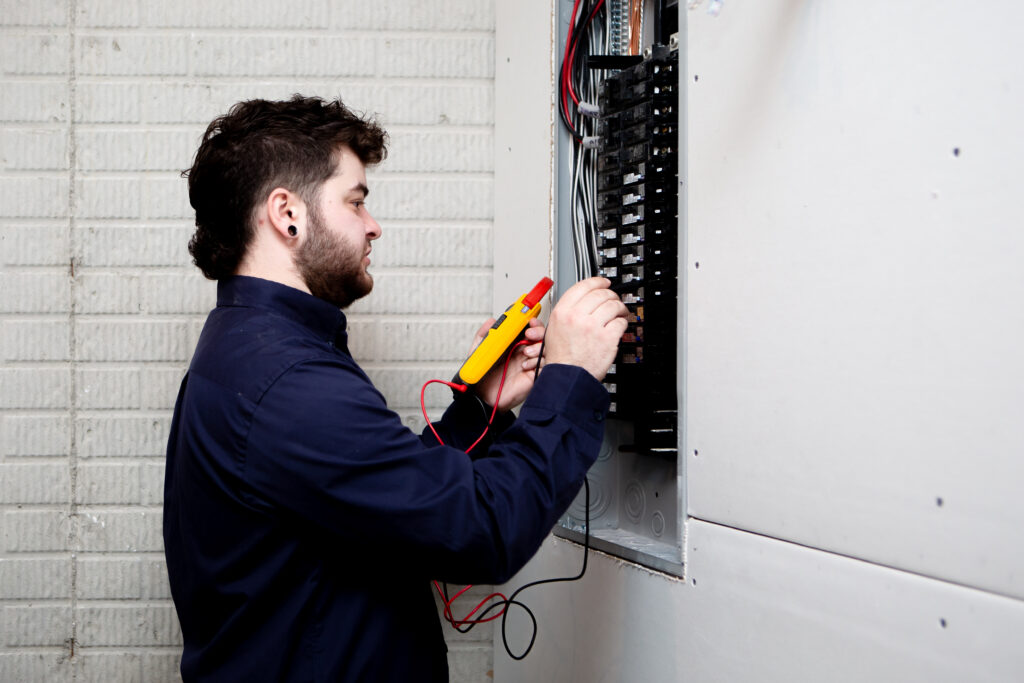
While replacing knob and tube wiring represents a significant investment, it pays dividends in safety, insurance savings, property value, and peace of mind. Modern electrical systems not only protect your family and property but also enable you to enjoy the latest conveniences and technology.
Don’t wait for an electrical emergency or insurance cancellation to address your outdated wiring. Contact Custom Electrical today for a comprehensive assessment of your knob and tube system and a detailed proposal for bringing your electrical system into the 21st century safely and efficiently.
FAQs on Knob and Tube Wiring
How much does it cost to replace knob and tube wiring?
Costs vary depending on size, layout, and accessibility. On average, full replacement ranges from $8,000 to $20,000 or more, but partial replacements may be possible in some cases.
Can I replace the knob and tube wiring myself?
No. Rewiring is too complex and dangerous for those without proper training. Only a licensed electrician can ensure wiring meets safety, inspection, and code requirements.
Will rewiring damage my walls and ceilings?
Modern electricians use minimally invasive techniques and fish wires through existing walls to limit damage. A skilled contractor will preserve as much of your home’s structure and finish as possible.
Does adding insulation over knob and tube pose a fire hazard?
Absolutely. Knob and tube wiring dissipates heat into the open air. Covering it with insulation traps heat, increasing the risk of overheating and fire. Many building codes prohibit the use of insulation over knob and tube wiring.
Will the partial replacement of knob and tube wire meet code requirements?
In some cases, partial replacement is allowed, but it depends on local codes and the condition of the existing wiring. A licensed electrician can advise whether an upgrade is necessary to meet safety and compliance standards.
Are there any signs that my knob and tube system has been modified improperly?
Yes. Common red flags include spliced connections without junction boxes, ungrounded three-prong outlets, and mismatched modern wiring. These unsafe alterations are common and increase the risk of failure or fire.