

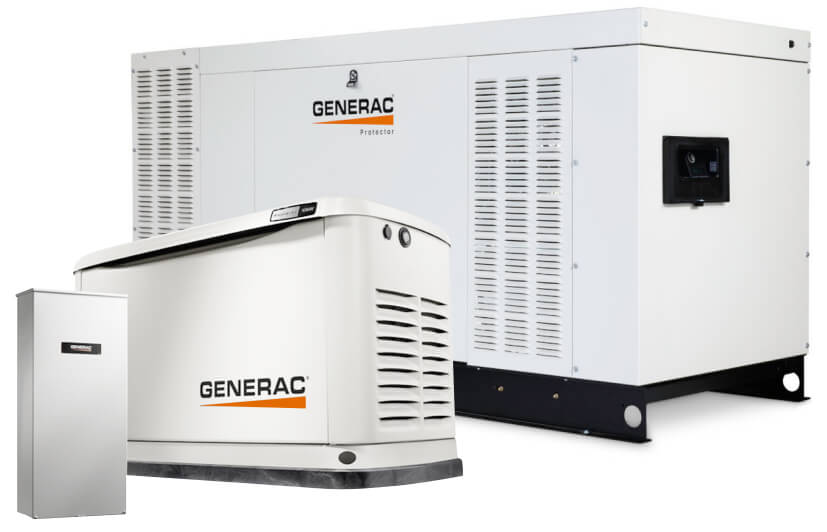
When the lights go out during Iowa’s unpredictable weather, your home generator becomes your lifeline. From severe thunderstorms to ice storms that can leave thousands without power for days, having a reliable backup generator isn’t just convenient—it’s essential. However, like any mechanical system, generators can experience problems that leave you literally in the dark when you need them most.
Understanding common generator issues and their underlying causes can help you identify problems early, potentially saving you from costly repairs and ensuring your generator operates reliably when emergencies strike.
Whether you own a portable generator, a standby unit, or an inverter generator, each type presents unique challenges that require specific knowledge and expertise. This post examines several common generator issues and their corresponding solutions.
Portable Generator Problems
Portable generators, while versatile and affordable, are susceptible to issues relating to their frequent movement and storage conditions. One of the most common problems is difficulty starting, which often stems from stale fuel in the carburetor. When gasoline sits unused for extended periods, it forms varnish and gum deposits that clog the carburetor’s jets and passages. The cause is the oxidation of fuel components, which create sticky residues that prevent proper fuel flow.
Another frequent issue with portable generators is power fluctuation or low voltage output. This typically originates from worn carbon brushes in the alternator or dirty slip rings that fail to maintain consistent electrical contact. The mechanical wear occurs naturally over time, but exposure to dust, moisture, and temperature fluctuations accelerates the degradation process.
Overheating represents another critical concern for portable units. The root cause often lies in blocked cooling fins on the engine or a malfunctioning cooling fan. Debris accumulation restricts airflow, while fan belt slippage or failure prevents adequate air circulation across the engine’s cooling surfaces.
An overheating portable generator may also result from undersizing the generator for the application. You can read our comprehensive guide to generator sizing for further guidance.
Standby Generator Complications
Standby generators are ideal for automatic operation during power outages. For standby systems, battery failure is one of the most common issues requiring repair. The mechanical cause involves sulfation of the battery plates, where lead sulfate crystals form during discharge cycles and gradually reduce the battery’s capacity to hold a charge.
Transfer switch malfunctions also plague standby systems. Transfer switches can experience contact welding or corrosion, preventing proper switching between utility and generator power. This is often the result of electrical arcing that occurs during switching operations, gradually degrading the contact surfaces and reducing their ability to conduct electricity effectively.
Coolant system problems frequently affect liquid-cooled standby generators. Leaks develop in hoses, gaskets, and the radiator due to thermal cycling stress, where repeated heating and cooling cause expansion and contraction that eventually leads to material fatigue and failure.
Inverter Generator Issues
Many prefer inverter generators for their quiet operation and clean power output. However, the style has its own repair issues that can frustrate homeowners in a power emergency.
The most common problem with inverter generators is inverter board failure, often caused by power surges or aging components. The delicate electronic components within the inverter circuitry are particularly sensitive to voltage spikes and thermal stress, with semiconductors and capacitors failing over time.
Fuel injection system problems also affect inverter generators equipped with electronic fuel injection. Clogged injectors result from fuel contamination or varnish buildup, while fuel pump failures stem from contaminated fuel that damages the pump’s internal components.
Universal Generator Problems Across All Types
Regardless of generator type, certain issues affect all units.
- Spark plug fouling represents a widespread problem caused by carbon buildup from incomplete combustion or oil contamination. The mechanical process involves carbon deposits accumulating on the spark plug electrodes, preventing proper ignition.
- Oil leaks commonly develop around gaskets and seals due to thermal cycling and vibration stress. The constant expansion and contraction of engine components, combined with operational vibrations, gradually compromise seal integrity.
- Air filter restriction affects all generator types, reducing engine performance. The issue is particulate matter accumulating in the filter media, restricting airflow and forcing the engine to work harder to draw sufficient air for combustion.
- Fuel system contamination poses another universal threat. Water intrusion, whether from condensation or external sources, promotes microbial growth and corrosion within fuel tanks and lines. The mechanical result includes clogged fuel filters, corroded fuel lines, and damaged fuel pumps.
How to Prevent and Detect Generator Issues
Now that you understand the common issues plaguing different generator types and their mechanical causes, it’s time to focus on the most important aspect: proactive prevention. Rather than waiting for problems to develop and require costly repairs, implementing a systematic maintenance approach can prevent most generator issues before they begin.
Understanding these mechanical causes enables proactive maintenance approaches that address problems at their source. Here are the essential steps every Iowa homeowner should follow to prevent generator repair problems:
- Perform Monthly Exercise Runs
Run your generator for 15-30 minutes under at least a 50% load monthly to prevent fuel system stagnation, keep seals lubricated, and ensure all components remain operational.
- Maintain Fresh Fuel Supply
Replace stored fuel every 3-6 months or add fuel stabilizer to prevent varnish buildup, carburetor clogging, and starting problems.
- Check Oil Levels Regularly
Inspect oil levels before each use and change oil according to the manufacturer’s specifications to prevent engine damage from inadequate lubrication.
- Clean Air Filters Quarterly
Replace or clean air filters every three months to prevent restricted airflow causing overheating conditions and reduced engine efficiency.
- Test Battery Monthly
Check battery voltage and terminals monthly, cleaning corrosion and replacing batteries with signs of sulfation or reduced capacity.
- Inspect Cooling System Components
Monitor coolant levels, check for leaks, and ensure cooling fins remain clean and unobstructed to prevent overheating issues.
- Examine Belts and Hoses
Inspect drive belts for proper tension and signs of cracking, while checking hoses for soft spots or leaks that could lead to system failures.
- Clean Spark Plugs Annually
Remove, inspect, and clean or replace spark plugs annually to prevent fouling, poor engine performance, and starting difficulties.
- Drain Fuel System for Long-Term Storage
If storing your generator for extended periods, completely drain the fuel system or run it dry to prevent carburetor damage from stale fuel.
- Keep Generator Area Clean
Maintain a debris-free environment around your generator to ensure proper ventilation and prevent foreign material from entering air intake systems.
- Test Transfer Switch Operation
For standby generators, monthly testing of automatic transfer switch operation ensures seamless power transition during actual outages.
- Schedule Professional Inspections
Professional inspection becomes crucial given the complexity of modern generator systems. Trained technicians possess the specialized knowledge and diagnostic equipment necessary to identify developing problems before they result in complete failure.
Frequently Asked Generator Service Questions
How often should I run my generator to prevent performance problems?
Run your generator monthly for 15-30 minutes under load to prevent fuel system issues and ensure all components remain operational.
What’s the most common cause of generator failure during emergencies?
Stale fuel and battery problems account for the majority of emergency failures, emphasizing the importance of regular maintenance.
Can I troubleshoot generator problems myself?
While basic maintenance, such as checking oil and air filters, is appropriate for homeowners, electrical and fuel system issues require professional expertise.
How long should a properly maintained generator last?
With proper maintenance, portable generators typically last 10-15 years, while standby units can operate reliably for 20-30 years.
What’s the best way to store a generator in the long term?
Store generators in a dry location with fuel stabilizer added, or completely drain the fuel system to prevent carburetor problems.
Don’t wait until the next storm leaves you powerless to discover your generator won’t start. Protect your family’s comfort and safety by scheduling a comprehensive generator inspection with Custom Electrical, Iowa’s trusted leaders in generator repair and maintenance. Our certified technicians will thoroughly evaluate your system, identify potential issues, and ensure your generator stands ready when you need it most.
Contact Custom Electrical today to schedule your generator inspection and gain the peace of mind that comes with professional expertise.